
6 min read · Updated November 2026
How to measure a machine for a moving estimate
Measure the machine's overall length, width and height at its extreme points, find its weight on the nameplate or manual, and note where it can be lifted. Then measure the doors, aisles and clearances on the path out, because the route often limits the move more than the machine does.
- Nevada Contractors License 46276
- USDOT 642556 · our own trucks
- 4.6 on Google (15 reviews)
Key points
- Measure overall size at the widest, longest and tallest points, including handles and guards
- Weight comes from the nameplate, manual or bill of lading, not a guess
- Photograph the lift points, fork pockets and any eyebolts
- Measure every door, aisle and overhead obstruction on the route
- Trailer-ready dimensions are what decide if a permit is needed
An estimate is only as good as the numbers behind it. A tape measure, a phone camera and ten minutes with the machine give the estimator most of what is needed. The numbers also tell you early whether the load will stay inside Nevada's legal limits on the road or need a permit.
Measure the machine itself
Use the overall size, not the footprint on the floor. Stand back and look for what sticks out: control panels, swing-out doors, chip conveyors, tool changers, outriggers and cable trays. Measure the machine as it will be moved, which may mean removing some parts first. Record length, width and height, and write down which parts are included.
- Measure length from the farthest point on one end to the farthest point on the other
- Measure width at the widest point, including any side panels or doors
- Measure height to the highest point, including lights, stacks or beacons
- Note anything that can be removed and how long that takes
- Write the measurements down with units, and take a photo of each side with the tape visible
Find the weight
Weight is the number everything else depends on. Look first on the nameplate, then in the operator's manual or installation drawing, then on the bill of lading from when the machine arrived. If the weight is not listed, say so, and the estimator will help work it out. Do not guess low. Note whether the figure is for the machine alone or with tooling, fluids, coolant or a built-in electrical cabinet.
Identify lift points
Machines are built to be picked up in specific places. Look for fork pockets, lifting lugs, eyebolts or marked sling points, and take clear photos. If none are visible, check the manual. Lifting a machine by a point not meant for it can bend a frame or damage precision components. The mover chooses the lifting method, but your photos let the crew plan before arriving. Lift planning basics shows how those points feed into the plan.
Measure the route
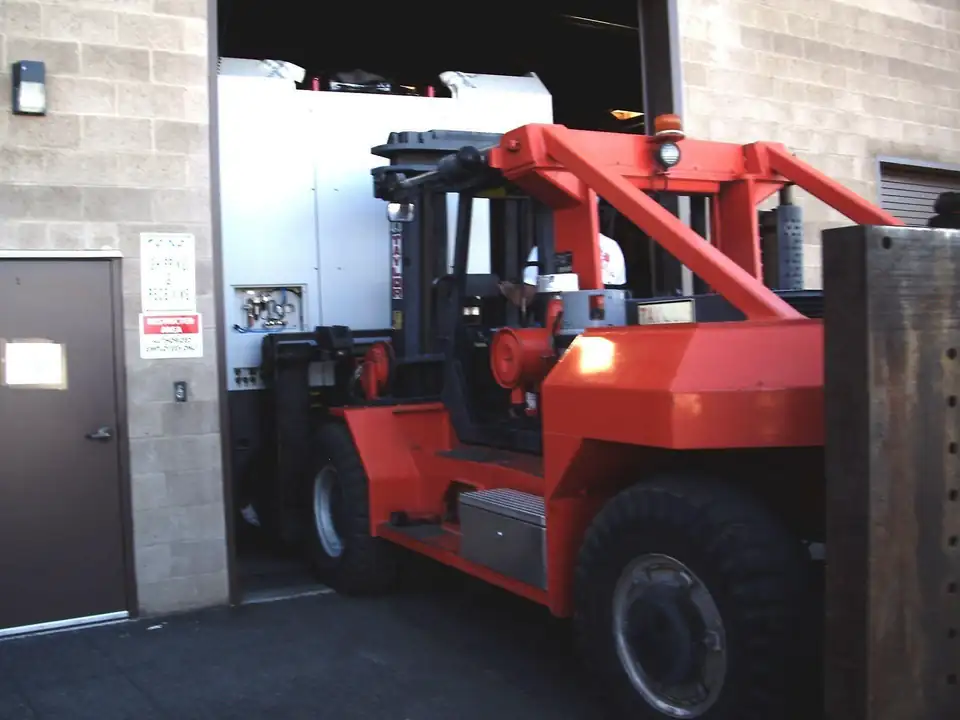
Most surprises happen at doors and corners. Measure the narrowest door the machine must pass, the aisle widths, the overhead height under pipes, lights and door tracks, and the dock height. Check the floor too: concrete slabs, trench covers and elevators have load ratings. Take photos of the doorway and the path from the machine to the loading area. ILS crews can move a machine through a tight fit, but they need to know about it before the day of the move.
Check the load against road limits
Once the machine is on a trailer, its height adds to the trailer deck height. Under Nevada law, a vehicle and load generally may not exceed 14 feet in height (NRS 484D.605), and a load wider than 102 inches or a combination longer than 70 feet needs a permit (NRS 484D.725 and 484D.615). A machine that is 10 feet tall on a trailer deck 3 feet 6 inches high is already close to the limit. The oversize load checker helps you see where a load falls, and Nevada oversize load permits explained covers what to do when it goes over.
What to send
Send the machine type, the measurements, the weight, the pickup and set-down addresses, and your photos. A printable measuring worksheet is on this site. Then request a free estimate and the office will review the details and come back with questions if anything is unclear.
Sources (3)
- Nevada Legislature: leg.state.nv.us/nrs/nrs-484d.html (checked November 2026)
- ASME: asme.org/codes-standards/find-codes-standards/b30-9-slings (checked November 2026)
- Nevada Legislature: leg.state.nv.us/nac/nac-484D.html (checked November 2026)
Send the machine details
Type, size, weight, where it is and where it is going. Photos help. Estimates are free.
Start the estimateLicensed in Nevada
Nevada State Contractors Board licenses 0046276 (C-33 Installing Industrial Machinery), 0083124 (A-14, A-20) and 0083125 (C-14I Rigging and Cranes, C-14J Conveyance of Goods). USDOT 642556, MC-531191.
What the classes coverWhat if I cannot find the machine's weight?
Say so in your request. The nameplate, manual and original shipping papers are the best sources, and the estimator can help narrow it down from the model and its options. Never round the weight down.
Do I include the crate or skid in the measurements?
Measure the machine as it will travel. If it ships on a skid or in a crate, include that, because the trailer sees the packed size.
Is measuring required for a free estimate?
It is not required, but it is the fastest route to an accurate answer. Photos with a tape measure in the frame are a good start.
Free estimates
Tell us what needs moving.
Free estimates on every job, big or small. Call the office or send the machine details and we will call you back.
(775) 882-3319Monday to Friday, 7:00 am to 4:00 pm. Fax (775) 882-2693.
- Nevada Contractors License 46276
- USDOT 642556 · our own trucks
- Carson City since 1999
- 4.6 on Google (15 reviews)